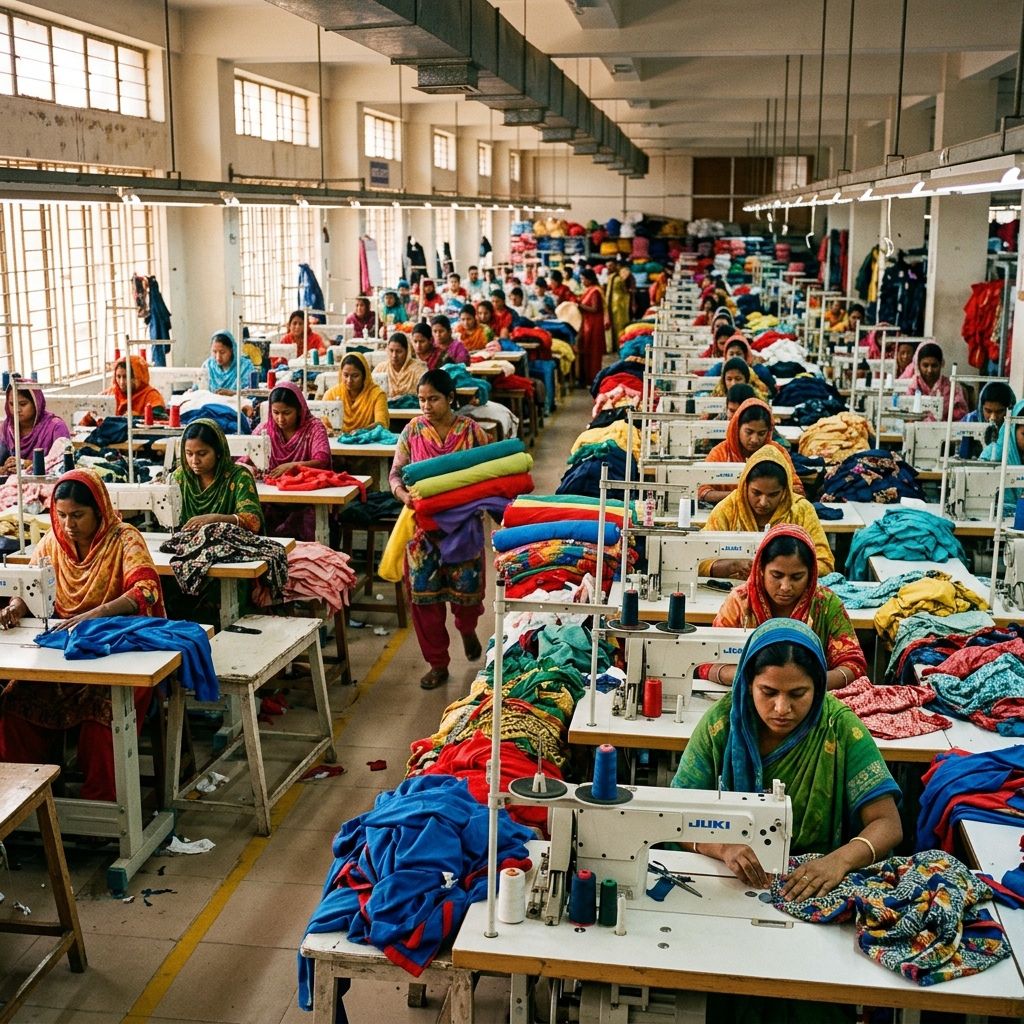
All roads lead to Dhaka—economically, politically, and physically. This centralized structure is creating massive urban chokeholds while draining local administrative capacity across divisions. To sustain growth, we must decentralize authority to municipal councils, enabling local tax collection and policy autonomy. True decentralization distributes opportunity, builds local governance skills, and prevents macro-systemic congestion.
Author and researcher contributing to The Exchange comparative policy and social philosophy publications.
All our publications remain open-access and free from commercial paywalls. Your contribution preserves our editorial independence and public scholarship.
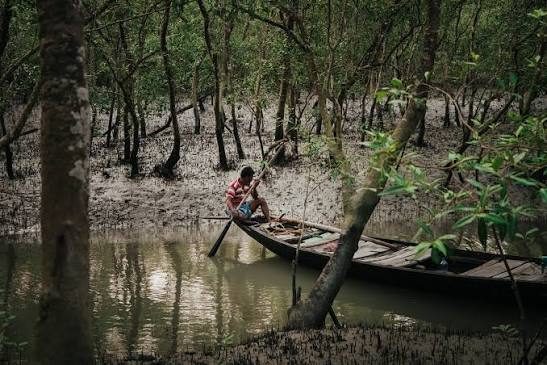
Protecting the Sundarbans is about more than conserving a famous forest. The ecosystem supports biodiversity, provides livelihoods for surrounding communities, stores carbon, and contributes to coastal protection. This opinion argues that long-term development planning should recognize the environmental and economic value of the Sundarbans while balancing conservation with the needs of people who depend on its resources.
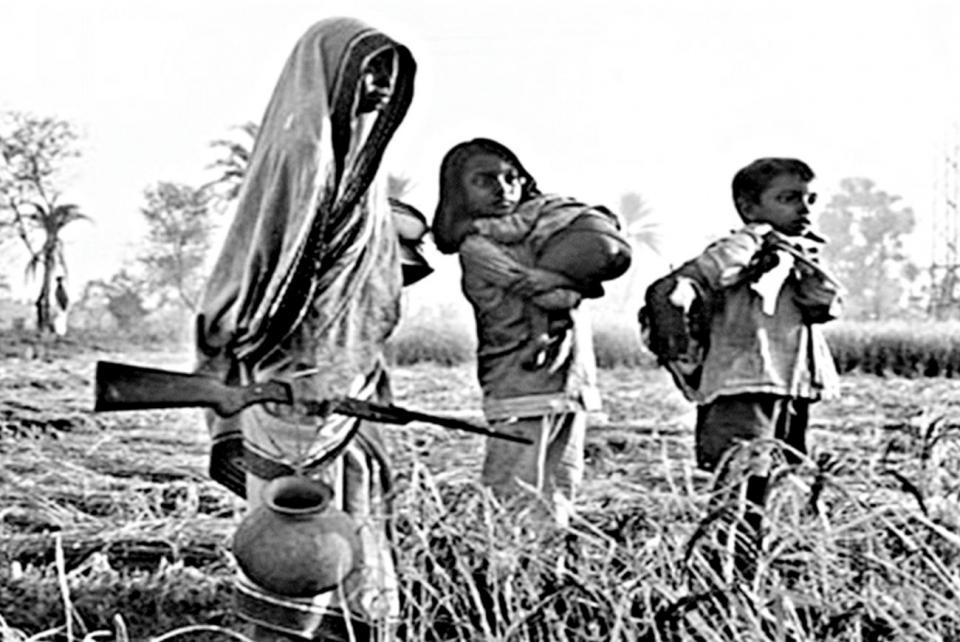
Bangladesh's independence was preceded by years of political disagreements, economic inequality, cultural movements, and demands for greater democratic representation. This analysis examines major developments from the Language Movement through the political movements of the 1960s and the 1970 general election. It explores how these events contributed to the political crisis that eventually led to independence.
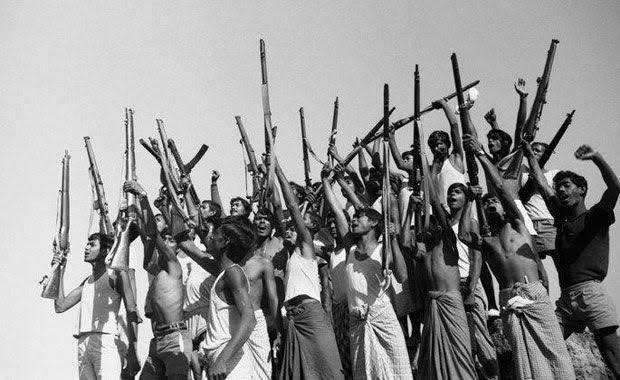
The Liberation War of 1971 represents one of the most important chapters in Bangladesh's history. This article explains the political and social circumstances that preceded the conflict, the declaration of independence, the nine-month Liberation War, and the emergence of Bangladesh as an independent country. It also explores why the events of 1971 remain fundamental to the country's national identity and historical memory.