The political events that shaped the historic year of 1971 Category: Analysis
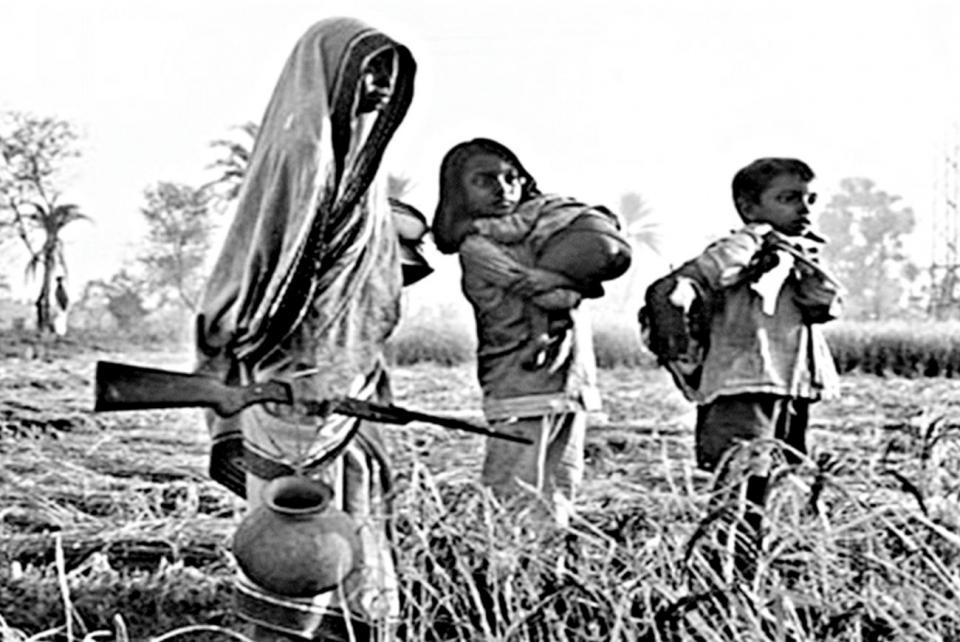
Bangladesh's independence was preceded by years of political disagreements, economic inequality, cultural movements, and demands for greater democratic representation. This analysis examines major developments from the Language Movement through the political movements of the 1960s and the 1970 general election. It explores how these events contributed to the political crisis that eventually led to independence.
Author and researcher contributing to The Exchange comparative policy and social philosophy publications.
All our publications remain open-access and free from commercial paywalls. Your contribution preserves our editorial independence and public scholarship.
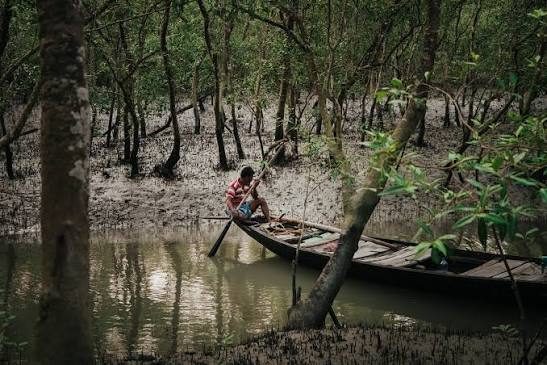
Protecting the Sundarbans is about more than conserving a famous forest. The ecosystem supports biodiversity, provides livelihoods for surrounding communities, stores carbon, and contributes to coastal protection. This opinion argues that long-term development planning should recognize the environmental and economic value of the Sundarbans while balancing conservation with the needs of people who depend on its resources.
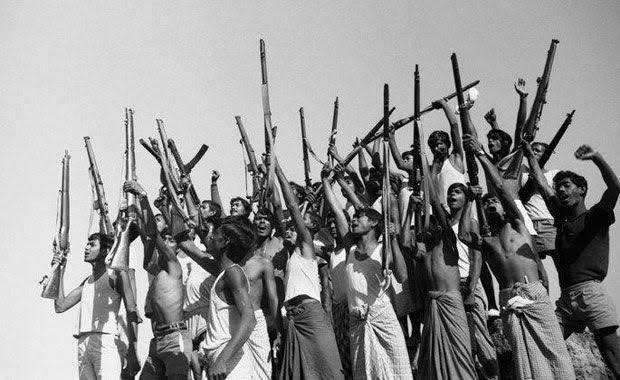
The Liberation War of 1971 represents one of the most important chapters in Bangladesh's history. This article explains the political and social circumstances that preceded the conflict, the declaration of independence, the nine-month Liberation War, and the emergence of Bangladesh as an independent country. It also explores why the events of 1971 remain fundamental to the country's national identity and historical memory.
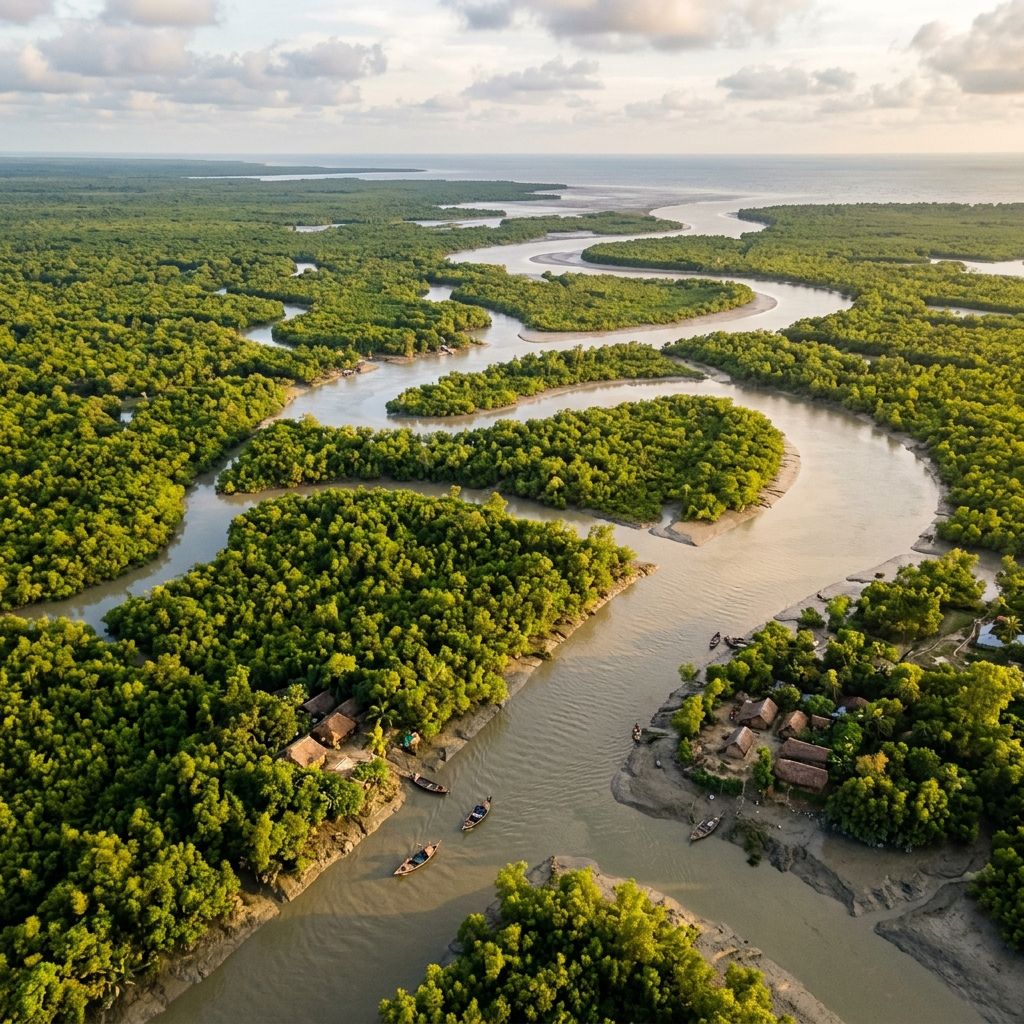
The 1951 Refugee Convention defines a refugee as someone fleeing persecution based on race, religion, nationality, political opinion, or membership in a particular social group. It says nothing about people fleeing floods, cyclones, or salinated agricultural land. This is not an oversight—it is a structural injustice that must be corrected. Conservative estimates suggest that 20 million Bangladeshis will be internally displaced by 2050 due to sea-level rise and extreme weather events. Millions more may cross borders into India, Myanmar, and beyond. Without a legal framework that recognizes climate displacement as a protected category, these people will arrive without rights, without status, and without any state obligation of protection. Bangladesh is already one of the world's most vocal advocates for climate justice at international forums. But advocacy is insufficient. The country must use its diplomatic capital to build a coalition among vulnerable small island states and delta nations to formally amend or supplement the 1951 Refugee Convention. The crisis is not coming. For millions of Bangladeshis in the coastal belt, it is already here. Policy must catch up.