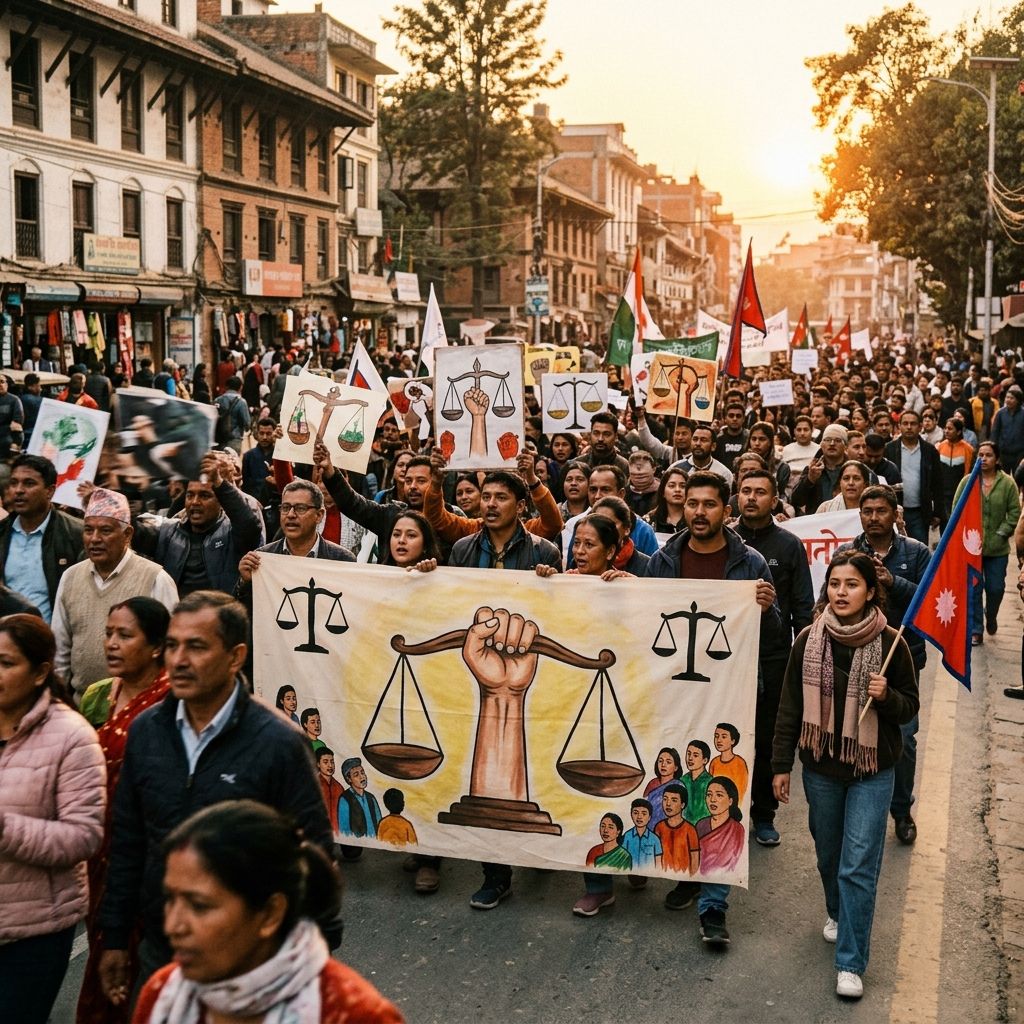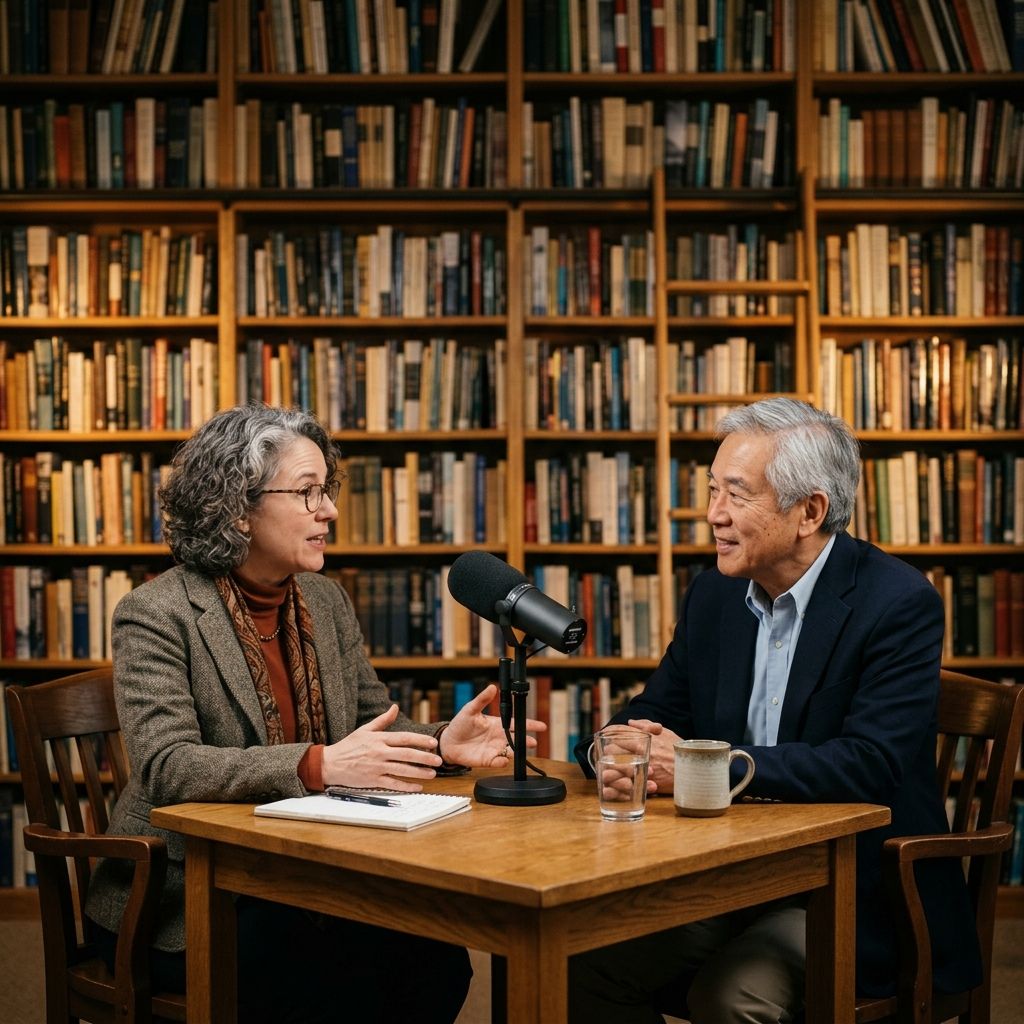
Prof. Anwar Habib joins us from Canada to discuss the shrinking of civic space globally, and why local networks like study circles are the absolute building blocks of public accountability. "A democracy cannot function simply on the basis of periodic elections," Prof. Habib notes. "If citizens only participate by casting a ballot once every five years and remain completely silent in between, the state will naturally grow autocratic. Civil society—independent writers, reading circles, local audit clubs—acts as the immune system of the polity. It flags anomalies, contests bad choices, and keeps the state balanced." "What we are trying to achieve through programs like Bangla Connect is to connect Bangladeshi expat students and home country scholars in active reading circles. By discussing governance systems—like the Nordic public trust principles—we expand the public imagination of what is possible in Bangladesh." "We must remind ourselves that change does not start from government ministries. It starts from ordinary citizens sitting in a circle, reading a text, and asking questions. That is the immune response of a free society."
Author and researcher contributing to The Exchange comparative policy and social philosophy publications.
All our publications remain open-access and free from commercial paywalls. Your contribution preserves our editorial independence and public scholarship.