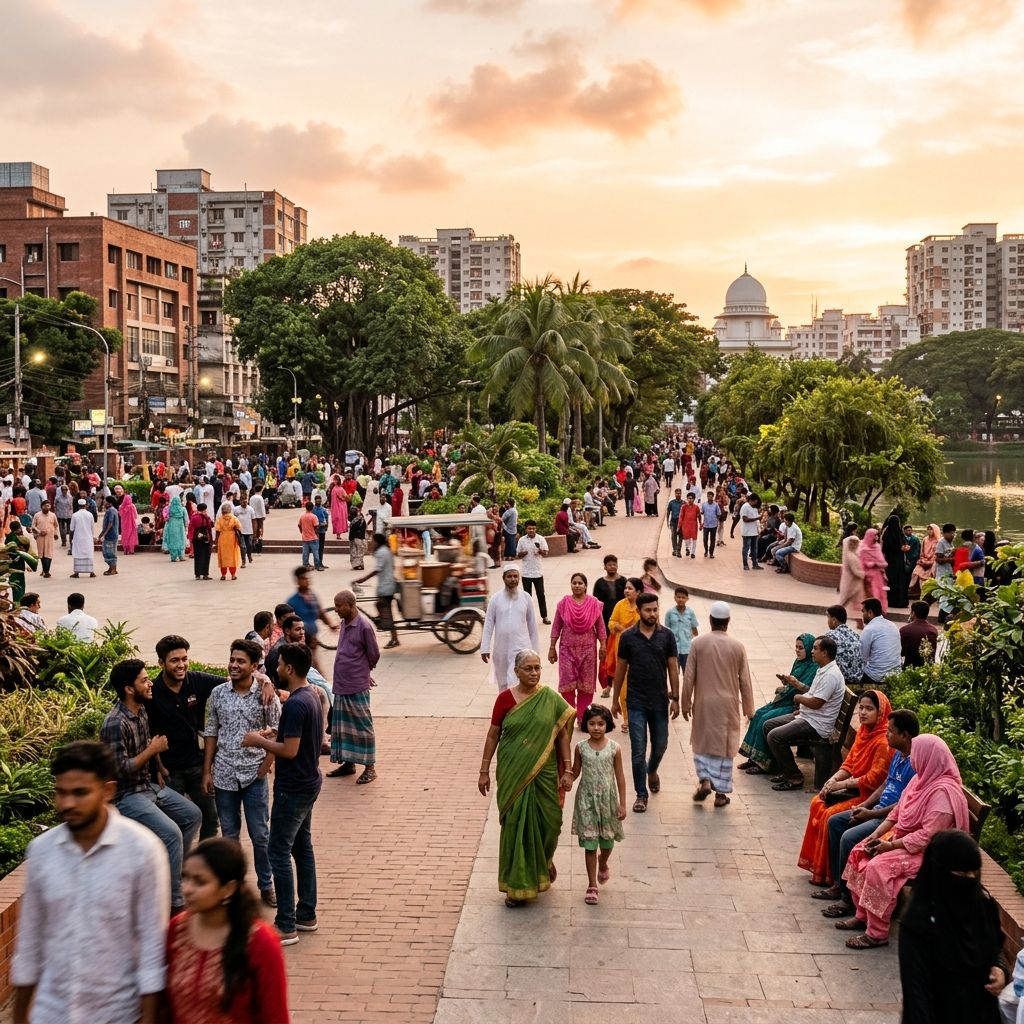
Modern urban development in Dhaka is characterized by concrete flyovers and private high-rises. In this environment, public parks, plazas, and pedestrian walkways have been drastically reduced. Public spaces are critical for social cohesion and civic discussions. They host communities, dialogue, and spontaneous artistic expressions. Reclaiming these green zones is not a aesthetic luxury; it is a civic necessity.
দি এক্সচেঞ্জ নীতি ও সমাজ বিষয়ক তুলনামূলক গবেষণা এবং সম্পাদকীয় পর্ষদের গবেষক।
আমাদের সমস্ত বিশ্লেষণ ও প্রকাশনা বিনামূল্যে সর্বসাধারণের জন্য উন্মুক্ত। আপনার ক্ষুদ্র অনুদান আমাদের সম্পাদকীয় স্বাধীনতা ও গবেষণার মান বজায় রাখতে সাহায্য করে।
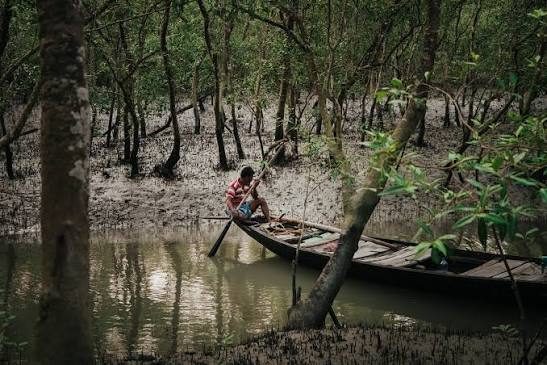
Protecting the Sundarbans is about more than conserving a famous forest. The ecosystem supports biodiversity, provides livelihoods for surrounding communities, stores carbon, and contributes to coastal protection. This opinion argues that long-term development planning should recognize the environmental and economic value of the Sundarbans while balancing conservation with the needs of people who depend on its resources.
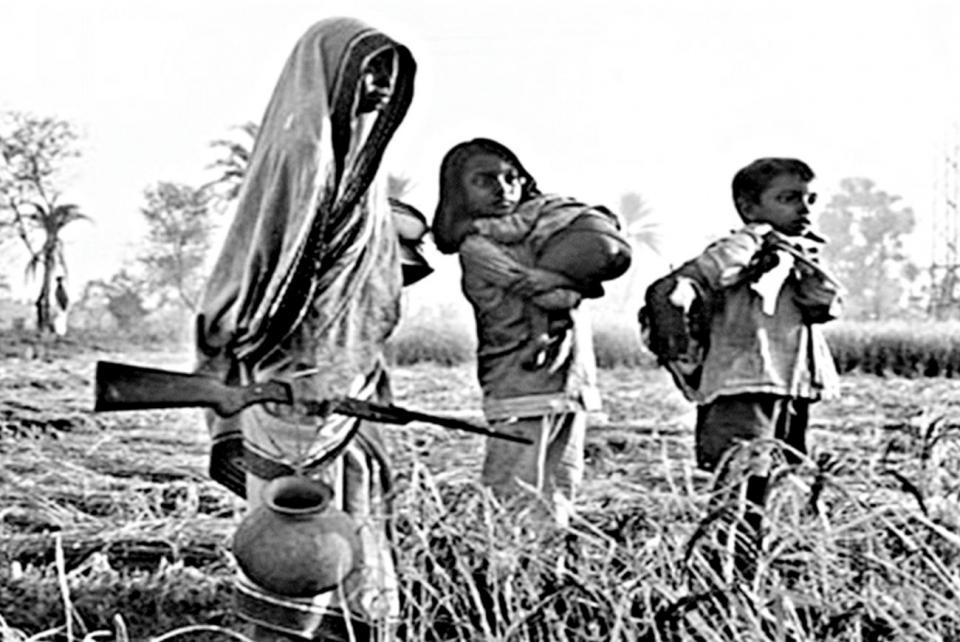
Bangladesh's independence was preceded by years of political disagreements, economic inequality, cultural movements, and demands for greater democratic representation. This analysis examines major developments from the Language Movement through the political movements of the 1960s and the 1970 general election. It explores how these events contributed to the political crisis that eventually led to independence.
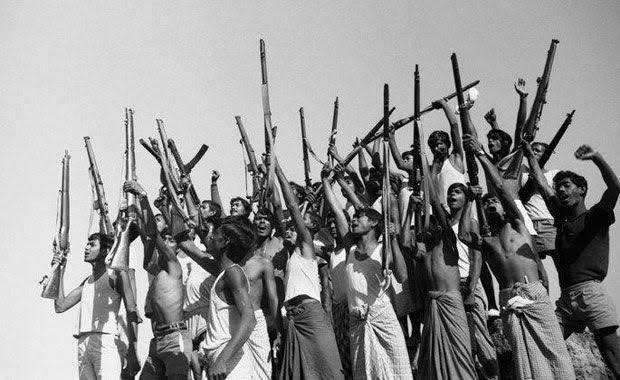
The Liberation War of 1971 represents one of the most important chapters in Bangladesh's history. This article explains the political and social circumstances that preceded the conflict, the declaration of independence, the nine-month Liberation War, and the emergence of Bangladesh as an independent country. It also explores why the events of 1971 remain fundamental to the country's national identity and historical memory.