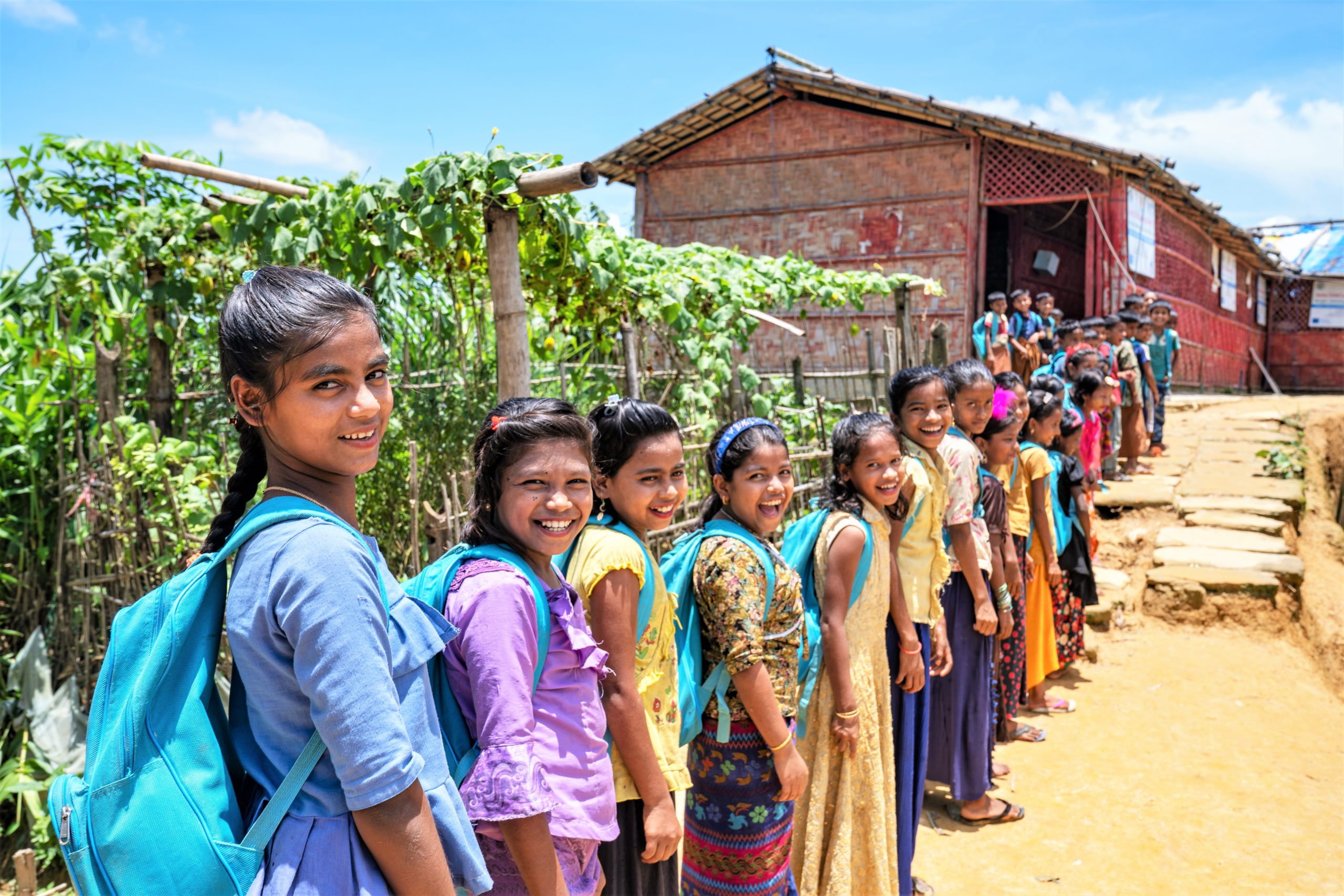
Traditional examinations can measure certain areas of academic performance, but they cannot capture every ability a student needs for the future. Communication, creativity, teamwork, digital competency, and problem-solving are becoming increasingly valuable. This article considers why education systems should create a better balance between academic assessment and practical skill development.
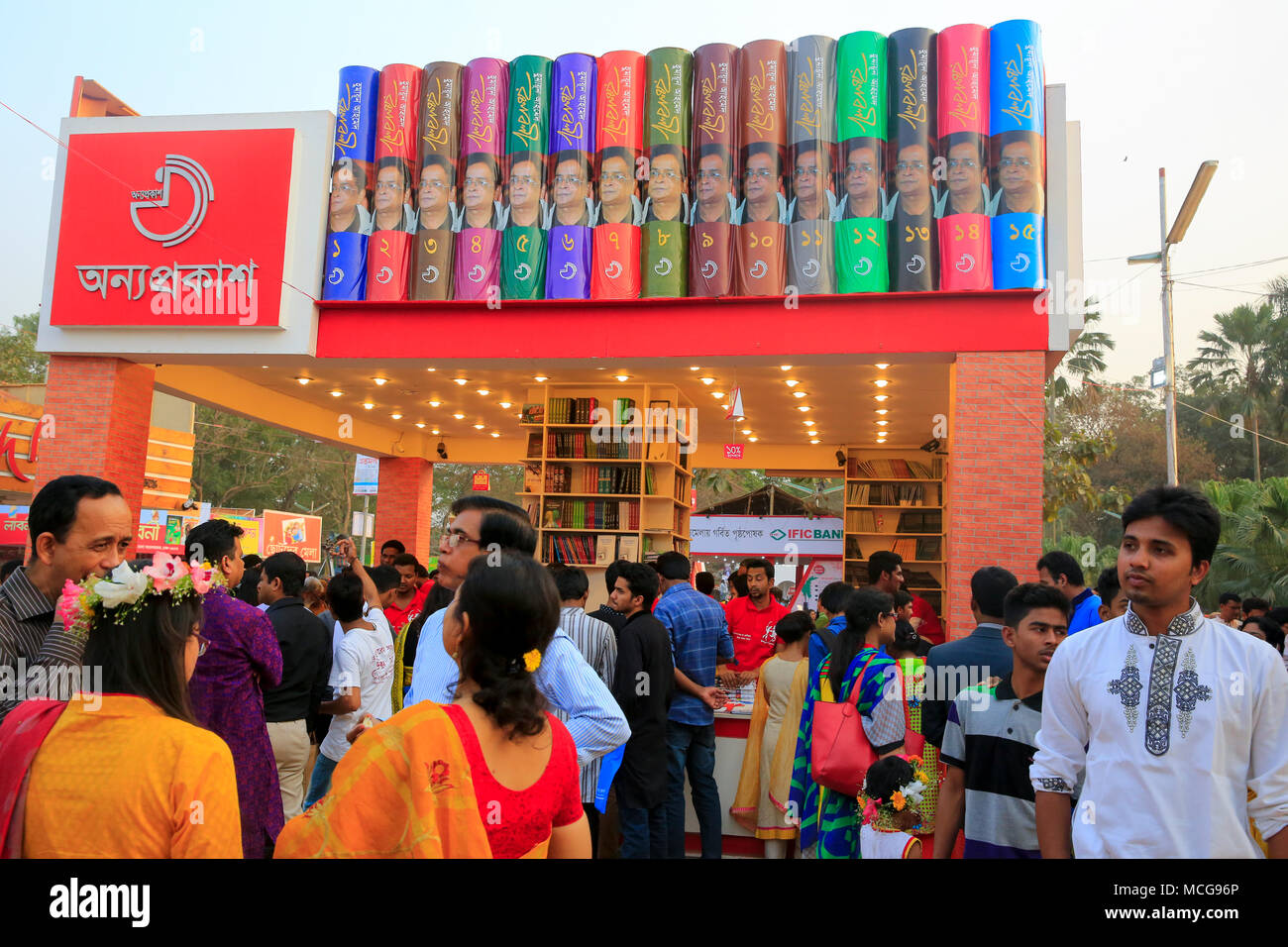
Building concrete school houses is politically popular and easily quantifiable. However, school construction is only the shell of education. The actual spark of learning happens through active inquiry, which is fostered through a culture of reading and critical analysis. In Bangladesh, the schooling model focuses heavily on memorizing fixed text sheets to pass standardized tests. There is very little space for independent library research or creative reading. In contrast, Nordic primary systems treat the school library as the literal and metaphorical center of secondary education. If we want to create a generation of innovators and thinkers rather than rote test-takers, we must reform our civic spaces to support public libraries, reading groups, and student discussion circles. We need to encourage expat mentoring links and fund libraries in every union parishad. Literacy is only the ability to decode symbols. A true reading culture is the ability to analyze ideas, question premises, and imagine alternatives. That is the education Bangladesh deserves.